

Japan rewards travellers who pay attention. It is a country where a 1,400-year-old wooden temple stands next to a bullet train line, where convenience stores sell better food than most restaurants elsewhere, and where a bowl of ramen at 11pm in a tiny six-seat shop is one of the finest meals of your life. Japan recorded about 25 million visitors in 2024 — yet its transport network and culture of immaculate hospitality (omotenashi) absorb guests without feeling overwhelmed.
This Japan travel guide covers the essential circuit for Indian travellers — Tokyo, Kyoto, Osaka, and Hiroshima — with a classic 10-day route, a real budget in rupees, visa steps, and the practical layer of Suica cards, Shinkansen, and ryokan nights that are not a photo menu.
Must-See Cities in Japan
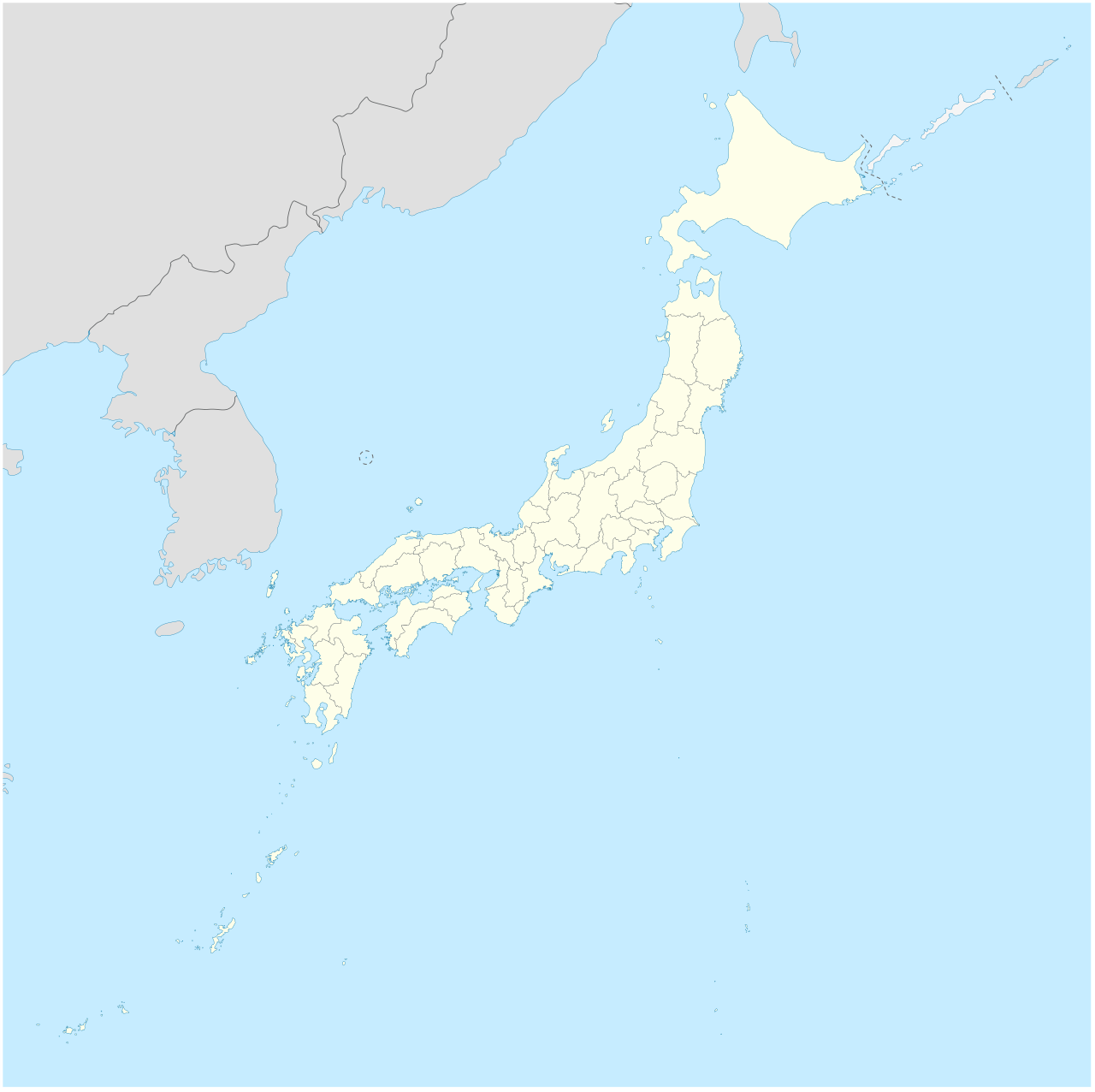
Start with the capital, the temples, the kitchen city, and the peace memorial that define a first visit. Hover a pin on the map, or choose a city below — each opens a focused guide.

Tokyo
Shibuya Crossing, Senso-ji at opening, Meiji Jingu, and a depachika dinner.
Explore →
Kyoto
Fushimi Inari’s torii, the Golden Pavilion, Arashiyama bamboo, and Gion at dusk.
Explore →
Osaka
Dotonbori street food, Osaka Castle in sakura season, and Kuromon market.
Explore →
Hiroshima
The Peace Memorial, the A-bomb Dome, and Miyajima’s floating torii.
Explore →Must Visit Places in Japan
Fifteen places that belong on a first trip: the Golden Route cities, Mt Fuji, Nara, and the temples and islands that sit beside them.

Things to Do in Japan
Twenty bookable experiences — bullet trains, onsen, sumo, teamLab, and ramen classes — with costs in rupees for a first trip from India.
Japan Travel Itineraries
Ready-made trips for families, friends, honeymoons, solo travellers and culture — the same list as on our Japan destination page.

Classic Golden Route — Tokyo, Hakone & Kyoto
The first-timer’s Japan for the whole family: bullet trains, a Mount Fuji onsen night in Hakone and the temples of Kyoto, all in one smooth, gently paced loop.

Japan Theme-Park Fun — Tokyo Disney, Ghibli & Osaka
A kid-pleasing romp through Tokyo DisneySea, the Ghibli Museum, teamLab Planets and Universal Studios Japan — packed with rides, characters and wow moments.

Hokkaido Snow & Onsen Adventure
Powder skiing in Niseko, the Sapporo Snow Festival and steaming open-air onsen under the northern sky — a high-energy trip made for a group of friends.

Romantic Kyoto & Mount Fuji Escape
Perfect for couples to explore the vibrant city and traditional culture. Includes a special dinner and private transfers.
+2 more places: Nikkō Tōshō-gū Shrine, Kegon Waterfall and Lake Chūzenji
Solo Japan Rail Explorer — JR-Pass Adventure
An independent, budget-smart loop on the JR Pass through Tokyo, Kyoto and Osaka — safe, easy to navigate and built for travelling at your own pace.

Kyoto Cultural Immersion — Tea, Temples & Kaiseki
Slow, deep and authentic: a private tea ceremony, Zen temple mornings, a kaiseki dinner and the deer-filled shrines of Nara.

UNESCO Heritage Japan — Himeji, Hiroshima & Nikkō
A journey through Japan’s World Heritage treasures: Himeji Castle, the Hiroshima Peace Memorial, the floating torii of Miyajima, Nikkō’s shrines and ancient Nara.

Japan Grand Coach Tour — Tokyo to Osaka by Bus
A value-packed guided group coach tour looping the classic sights from Tokyo to Osaka — comfortable seats, an English tour leader and zero logistics to worry about.
Best Time to Visit Japan
Month-by-month weather, sakura and maple windows, crowd levels, and which months to skip — planned for travellers from India.

Why Visit Japan?
Japan is consistently voted one of the world’s most fascinating travel destinations — and it earns that title. Trains arrive to the second. Streets in Shinjuku stay immaculate despite millions of daily passengers. Strangers return lost wallets. Temple gardens are raked each morning. This is a culture that takes pride in doing things right — and experiencing omotenashi firsthand changes how you see the world.
For travellers from India, the classic 10-day circuit is still the right first trip: Tokyo, Hakone or a Fuji view, Kyoto, Osaka, then Hiroshima if the days allow. The Shinkansen makes it coherent. Visa paperwork is the hurdle; hotel bookings three months ahead for sakura is the other. Get those two right and Japan is generous.
What is Japan Best Known For?
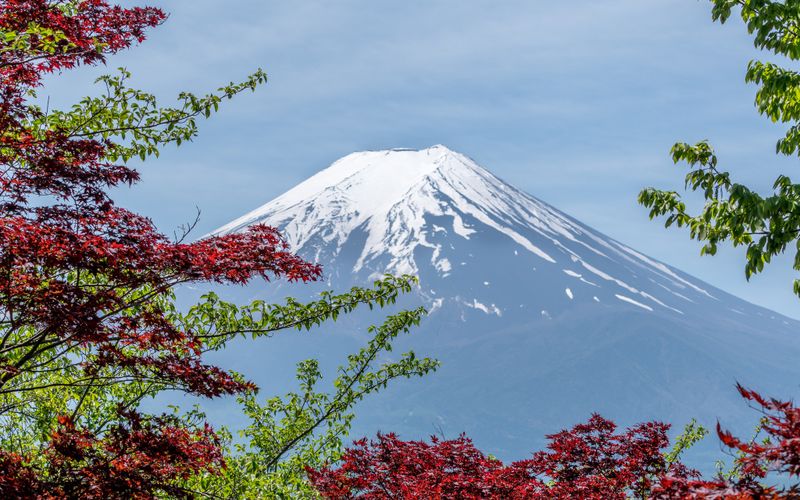
Japan is best known for the collision of ancient and ultramodern — neon Tokyo beside Kyoto’s wooden temples, cherry blossom (sakura), Mount Fuji, sushi and ramen, the Shinkansen, anime, ryokan inns, zen gardens, and the philosophy of wabi-sabi. Miyajima’s floating torii and Hiroshima’s Peace Memorial are the western chapter. Convenience-store onigiri is a genuine food experience, not a backup.
Beyond those headlines, Japan rewards travellers who leave the scramble crossing: a Hakone onsen night, Nara’s Great Buddha, Kanazawa’s Kenrokuen, and a bowl of regional ramen that is not a tourist replica. The classic first trip is still Tokyo, Kyoto, Osaka, and one quieter day — then a return for Hokkaido or the Alps.
Japanese Food, Ramen and Conbini
Tokyo has more Michelin-starred restaurants than any other city, but the memorable meals are often the humblest: ramen at a six-seat counter (tonkotsu, shoyu, miso, shio — pick a region), conveyor-belt sushi from ¥100 a plate, Osaka takoyaki and okonomiyaki, yakitori in Shinjuku’s Omoide Yokocho, and a kaiseki dinner at a ryokan. 7-Eleven, FamilyMart and Lawson sell onigiri, hot soups, and sandwiches that would be exceptional anywhere else. A full conbini meal is ¥500–800. This is not a fallback; this is Japan.
For Indian vegetarians: Kyoto’s shojin-ryori (Buddhist vegetarian) is the reliable sit-down. Ask for no fish stock — dashi hides in a surprising number of “vegetable” bowls. Konbini onigiri: umeboshi (pickled plum) is usually safe; check fillings. Tempura and ramen are typically not vegetarian unless stated.
Where to Stay in Japan
Tokyo: Shinjuku for first-night recovery and the metro; Shibuya if you want the scramble on foot. Kyoto: Gion for evenings, the station for Shinkansen mornings. Osaka: Namba for Dotonbori; Umeda for the Sky Building. Hakone: a ryokan with onsen — yukata, kaiseki, a rotenburo under the stars. Capsule hotels and Dormy Inn are the practical mid-range; Aman Tokyo and Park Hyatt if the budget is unlimited. Book sakura hotels three months ahead.
Getting to Japan
Air India flies direct Delhi–Tokyo Narita (about 8–10 hours). From Mumbai, most routes connect via Bangkok, Singapore, or Hong Kong. Haneda is closer to the city than Narita. Osaka Kansai (KIX) suits a western start. Narita Express (N’EX) to Tokyo Station takes about 60 minutes; Keikyu from Haneda is the cheaper hop. A Suica or Pasmo IC card at the airport vending machine is Day 1 sorted.
Do I Need a Visa for Japan?
Indian passport holders need a Japan Tourist Visa. Apply at the Embassy of Japan or VFS in India (New Delhi, Mumbai, Kolkata, Chennai, Bengaluru). Processing typically takes 5–7 business days. Required: confirmed hotels, a detailed itinerary, and bank statements. The fee is about ₹1,200 for single entry. Rules change — check current embassy guidance before you book, not a screenshot from last year.
Japan Travel Tips
- Get a Suica or Pasmo IC card — trains, buses, and many convenience stores nationwide. Load ¥5,000–10,000 to start.
- Compare the JR Pass to your actual Shinkansen hops. After the 2023 price rise it is not automatic. It can now be bought in Japan as well as in advance. It does not cover Nozomi.
- Carry cash — many temples, stalls, and small ramen shops are cash-only. ¥10,000–20,000 on hand. 7-Eleven, Japan Post, and Lawson ATMs accept international cards.
- No tipping. Quiet trains. Shoes off at ryokan and many restaurants. Do not eat while walking (festival stalls excepted). Slip-on shoes for temple days.
- Pocket Wi-Fi or an eSIM — multi-exit stations are confusing without a map.
- Book sakura and maple hotels three months ahead. Popular ramen and sushi counters need 1–3 months too.
- Plan your Japan itinerary: use LokaTours to build a personalised Tokyo-to-Hiroshima plan in minutes.
Japan Travel FAQs
Late March to early May for cherry blossoms and mid-October to mid-November for maple. Both offer mild weather (15–22°C). Summer is hot and humid. Winter is cold but excellent for skiing in Hokkaido.
Yes — Indians need a Japan Tourist Visa. Apply at the Embassy of Japan or VFS in India. Processing takes 5–7 business days. Required: confirmed hotels, itinerary, and bank statements. Fee about ₹1,200.
Minimum 10 days: Tokyo (3), Hakone (1), Kyoto (3), Osaka (2), Hiroshima (1) with a Nara day from Kyoto. Two weeks is more comfortable. Three weeks adds Hokkaido, the Alps, or Kyushu.
Compare your Shinkansen hops to the pass price. A 7-day ordinary pass is about ¥50,000. Tokyo–Kyoto one-way is still expensive enough that the classic circuit can pay off — but the 2023 hike made it less automatic. You can now buy it in Japan. It does not cover Nozomi.
A 10-day mid-range trip is about ₹1,10,000–₹1,80,000 per person including flights (₹38,000–70,000), trains, hotels, food, and visa (~₹1,200). Capsule hotels and conbini meals bring the floor near ₹1,10,000.
Still largely yes. Many small restaurants, shrines, and stalls do not take cards. Carry ¥10,000–20,000. Use 7-Eleven, Japan Post, or Lawson ATMs with an international card.
Ramen (regional styles), sushi at a market counter, Osaka takoyaki and okonomiyaki, yakitori, kaiseki at a ryokan, matcha desserts, and convenience-store onigiri. Vegetarians: shojin-ryori in Kyoto; ask for no dashi.
Yes — one of the world’s safest countries for solo travel, including solo women. Crime rates are extremely low, lost items are routinely handed in, and the transport system is reliable without Japanese.


