

France remains the world's most visited country for a reason — a breathtaking blend of art, history, gastronomy, and natural beauty that simply cannot be found anywhere else on Earth. Whether you're strolling beneath the Eiffel Tower, sipping Burgundy in a Lyonnais bouchon, or watching the Mediterranean glitter from a clifftop Provençal village, France rewards every type of traveller. This comprehensive France travel guide covers everything you need to plan an unforgettable trip in 2026.
Must-See Cities in France
Start with the regions that define a first visit. Hover a pin on the map, or choose a city below — each opens a focused guide.
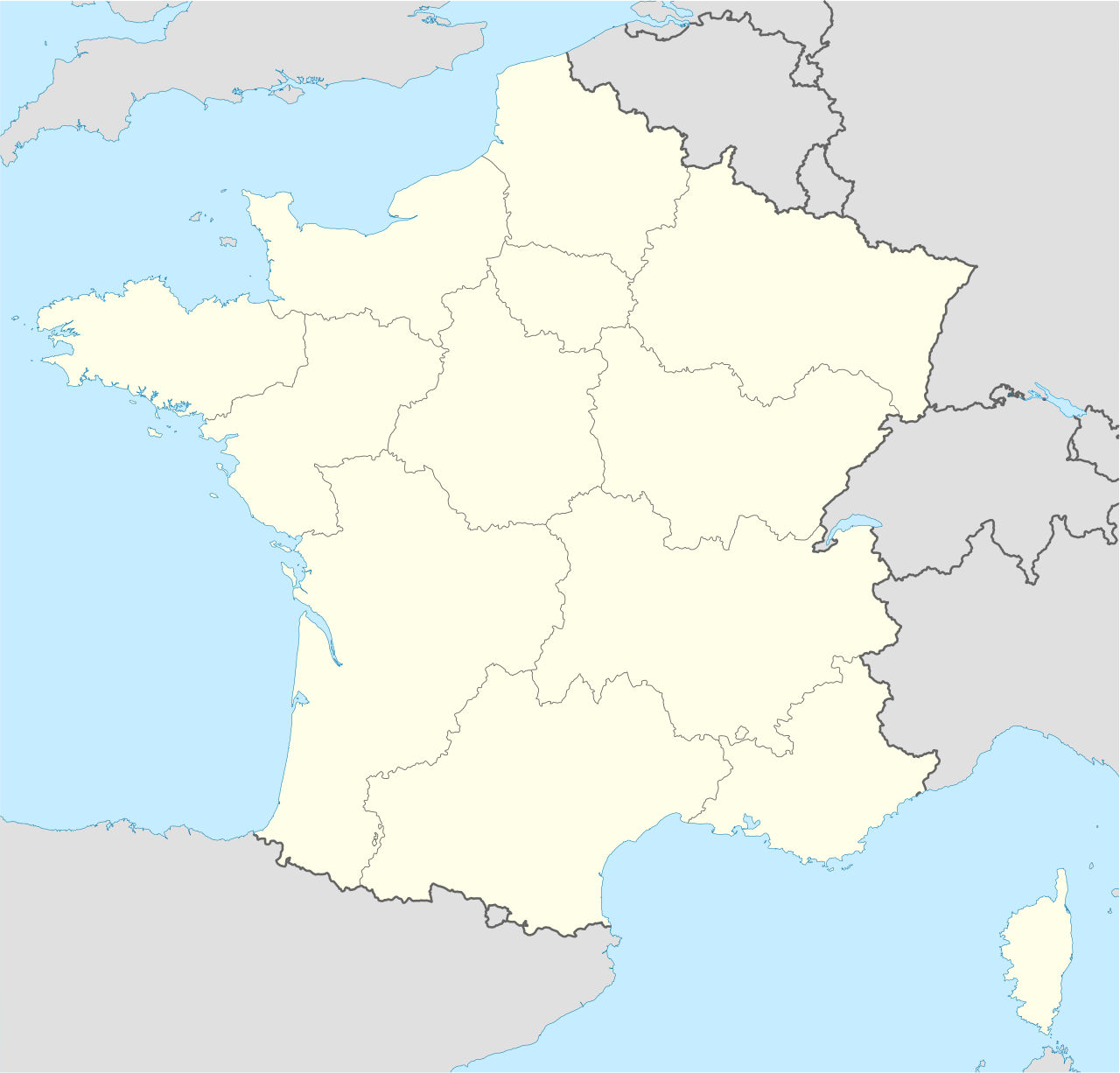
Hover a pin for a preview, or pick a city from the cards below.

Paris
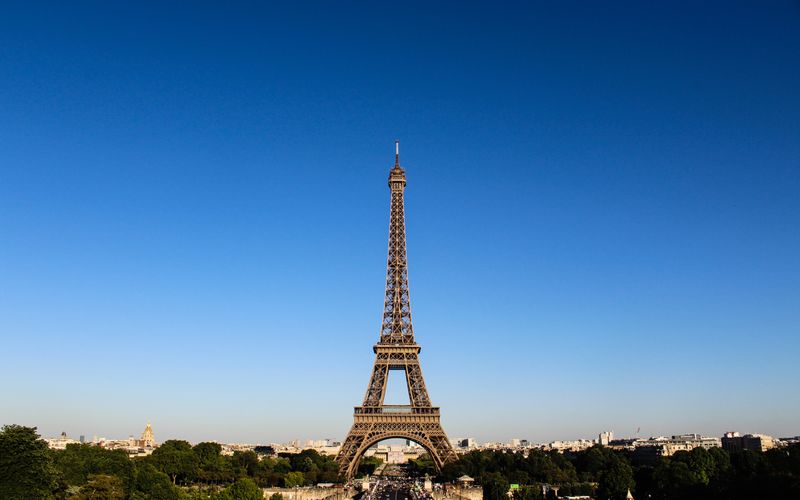
Eiffel Tower, the Louvre, neighbourhood cafés, and the world’s most walkable capital.
Explore →
Loire Valley
Renaissance châteaux, river cycling, and the Garden of France’s wine villages.
Explore →
Provence
Lavender fields, hill villages, markets, and the light that inspired Van Gogh.
Explore →
French Riviera
Nice, Cannes, Antibes and Monaco along the glittering Côte d’Azur.
Explore →Must Visit Places in France
Beyond the cities: abbeys, palaces, and wine country worth building a trip around.
Things to Do in France
Landmarks, food, and museums — the experiences that belong on every France itinerary.
France Travel Itineraries
Ready-made 7-, 10-, and 14-day routes covering Paris, the Loire, Provence, and the Riviera.
7 days: Paris & Loire
A first-timer’s circuit: three days in Paris plus château country by train or car.
View itineraries → 10 days: Paris & Provence
Capital highlights, then hill villages, markets, and Mediterranean light.
View itineraries → 14 days: Grand tour
Paris, Loire, Provence, and the Riviera with time to travel between regions.
View itineraries →Best Time to Visit France
Season-by-season weather, crowds, and what each month is actually best for.


Why Visit France?
France remains the world's most visited country for a reason — a blend of art, history, gastronomy, and landscape that is hard to match in a single trip. The Eiffel Tower and the Louvre still define a first Paris morning, but the country also delivers Loire châteaux, Provençal villages, and a Mediterranean coast that runs from Nice to the Italian border.
French cuisine is listed by UNESCO as Intangible Cultural Heritage, and the train network makes it realistic to combine Paris with one or two regions without treating transfers as the holiday. Whether you want a city break, a wine-country drive, or a Riviera week, France rewards every type of traveller.
What is France Best Known For?
France is best known for the Eiffel Tower, the Louvre, and a culinary culture listed by UNESCO as Intangible Cultural Heritage — plus the Côte d'Azur, Loire châteaux, and wine regions that define a first trip. It attracts nearly 100 million visitors a year, more than any other country. Beyond those headlines, France rewards slow travel: hidden markets in Périgord, lavender valleys in the Luberon, surf breaks in the Basque Country, and glaciers in the Alps all await those willing to venture beyond Paris.
Where to Stay in France
Paris offers accommodation at every price point, from budget hostels in the Marais to palatial hotels on the Place Vendôme. For a quintessential Parisian stay, choose a classic hotel in Saint-Germain-des-Prés or the Latin Quarter. On the Riviera, Nice's beachfront hotels offer excellent value compared to Cannes or Monaco. In Provence, converted mas (farmhouses) and bastide manor houses provide the ultimate slow-travel experience. Châteaux-hôtels across the Loire Valley allow you to sleep within historic castle walls — a highlight for many visitors.
Getting to France
Paris Charles de Gaulle (CDG) is France's main international hub, with direct flights from virtually every major city worldwide. Paris Orly handles shorter European routes. High-speed Eurostar trains connect London to Paris in around 2.5 hours; Thalys links Amsterdam and Brussels; and TGV trains connect Paris to Lyon, Marseille, Bordeaux, and Nice in under four hours. Renting a car is strongly recommended for exploring rural Provence, the Loire Valley, and Burgundy at leisure.
Do I Need a Visa for France?
Whether you need a visa for France depends on your passport. Citizens of the EU, USA, UK, Canada, Australia, and many other countries can visit visa-free for up to 90 days within a 180-day period. Most other travellers need a Schengen visa; from 2025, many visa-exempt visitors also need an ETIAS travel authorisation (€7). Always check the latest rules for your nationality before you book.
France Travel Tips
- Book in advance: Major attractions like the Louvre, Versailles, and the Eiffel Tower summit require timed tickets — often selling out weeks ahead in summer.
- Learn basic French: A simple "Bonjour" and "Merci" opens doors. Attempting French, however poorly, is warmly received by locals.
- Lunch is the deal: French restaurants offer exceptional value at lunch (formule or menu du jour) versus evening à la carte pricing.
- Validate your train ticket: Always stamp (composter) your paper rail ticket in the yellow machines on the platform before boarding — fines for untamped tickets are strict.
- Plan your France itinerary: Use LokaTours' AI trip planner to build a personalised day-by-day France itinerary in minutes.
France Travel FAQs
France is best known for the Eiffel Tower, the Louvre, world-class cuisine and wine, the French Riviera, haute couture fashion, and landmarks such as Mont Saint-Michel and the Palace of Versailles.
The best time to visit France is April to June and September to October. The weather is mild, crowds are manageable, and prices are lower than in peak summer. July and August are the busiest and most expensive months.
A minimum of 7 days lets you cover Paris and one or two regions such as Provence or the Loire Valley. For a thorough trip including the Riviera and additional regions, plan for at least 14 days.
France suits a range of budgets. Budget travellers can manage on €80–€120 per day using hostels and boulangeries; mid-range travellers should expect €150–€250 per day; luxury visitors will spend €400 or more.
Citizens of the EU, USA, UK, Canada, Australia, and many other nations can visit France visa-free for up to 90 days within a 180-day period. From 2025, most non-EU visitors require an ETIAS travel authorisation (€7 fee). Always check your country's specific requirements before travelling.
France uses the Euro (€). ATMs are widely available throughout the country, and credit cards are accepted almost everywhere. Some rural markets and small cafés still prefer cash, so carry a small amount.
French is the official and predominant language. In major tourist areas, hotels, and cities, English is widely spoken. Learning a few basic phrases — "Bonjour," "S'il vous plaît," and "Merci" — is always appreciated.
Must visit places in France include Paris (Eiffel Tower, Louvre, Notre-Dame), the Palace of Versailles, Mont Saint-Michel, the French Riviera (Nice, Cannes, Monaco), Loire Valley châteaux, Provence's lavender fields, and the vineyards of Bordeaux and Burgundy.


