

Spain is Europe’s most diverse and passionate destination — a country where every region has its own language, cuisine, architecture, and identity. From Gaudí’s dreamlike Barcelona to the Moorish splendour of Granada’s Alhambra, from Basque pintxos to Sevillian flamenco, from the Pyrenees to the Saharan dunes of Fuerteventura, Spain defies easy summary. This Spain travel guide for 2026 covers Madrid, Barcelona, Seville, and Granada — with national itineraries, the AVE, and the practical layer of tickets, meal times, and when to go.
Must-See Cities in Spain
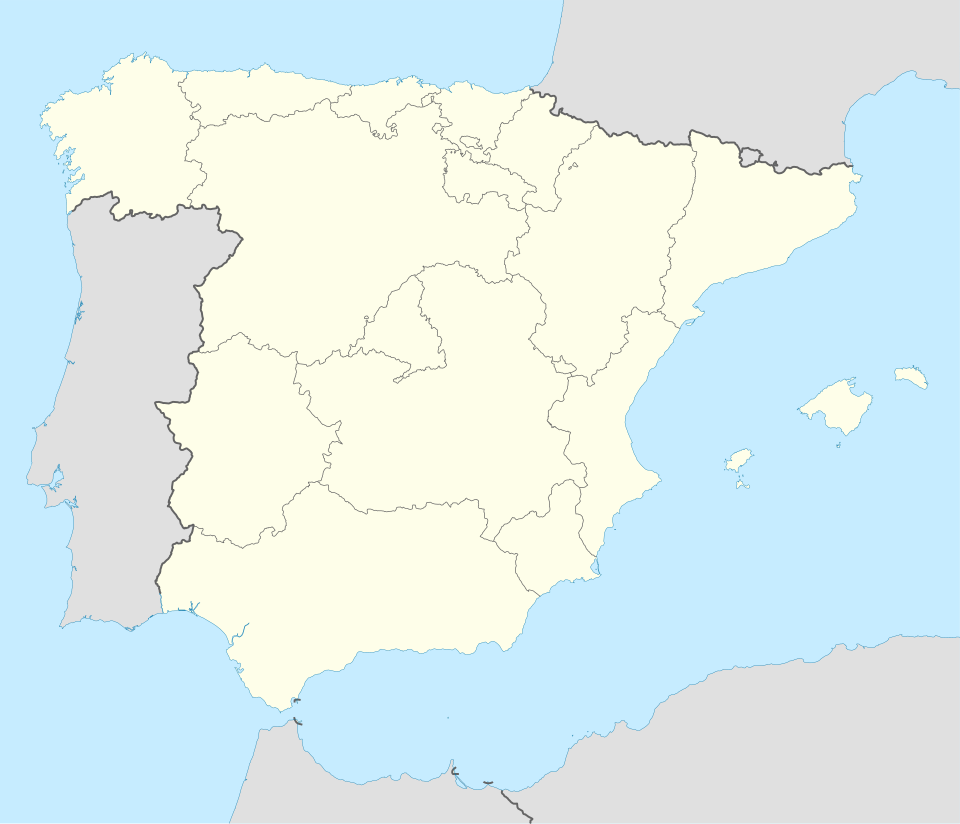
Start with the capital, Gaudí’s Mediterranean city, and the two Andalucía hubs that define a first visit. Hover a pin on the map, or choose a city below — each opens a focused guide.

Madrid
The Prado triangle, Plaza Mayor, tapas in La Latina, and an easy AVE hub.
Explore →
Barcelona
Sagrada Família, Park Güell, and Gaudí’s Eixample on the Mediterranean.
Explore →
Seville
The cathedral, the Real Alcázar, and flamenco in the city that invented it.
Explore →
Granada
The Alhambra, the Albaicín, and night views from Sacromonte.
Explore →Must Visit Places in Spain
Beyond the hubs: Toledo above the Tagus, Córdoba’s Mezquita, and the Basque coast worth building extra nights around.
Things to Do in Spain
Gaudí, the Alhambra, flamenco, pintxos, and the Prado — the experiences that belong on every Spain itinerary.
Spain Travel Itineraries
Ready-made 7-, 10-, and 14-day routes covering Madrid, Barcelona, and Andalucía.
7 days: Madrid & Barcelona
A first-timer’s circuit on the AVE: museums in the capital, then Gaudí by the sea.
View itineraries → 10 days: Madrid & Andalucía
Madrid, then Seville and Granada — flamenco, the Alcázar, and timed Alhambra tickets.
View itineraries → 14 days: grand tour
Madrid, Barcelona, Seville, and Granada — plus Toledo or San Sebastián if you have slack.
View itineraries →Best Time to Visit Spain
Season-by-season weather, crowds, and why July in Seville is a different trip from September in San Sebastián.


Why Visit Spain?
With nearly 85 million visitors per year, Spain is the world’s second most visited country — and the numbers tell only part of the story. Spain offers an unrivalled quality of life that seeps into every interaction: leisurely lunches that stretch for hours, the communal ritual of evening tapas, world-class art museums, UNESCO-laden historic cities, and over 8,000 kilometres of coastline. The country’s diversity is its greatest strength — no two regions feel alike, making Spain an endlessly rewarding place to return to year after year.
What is Spain Best Known For?
Spain is best known for Gaudí’s Sagrada Família in Barcelona, the Alhambra in Granada, flamenco in Seville, and a tapas culture that turns dinner into a neighbourhood crawl. The Prado, Reina Sofía, and Thyssen in Madrid form one of the world’s great museum triangles. Pintxos in San Sebastián, the Mezquita in Córdoba, and 8,000 kilometres of coast — Mediterranean, Atlantic, Balearic, Canary — complete the postcard. Around 85 million visitors a year make Spain the world’s second most visited country, without flattening every region into the same holiday.
Beyond those headlines, Spain rewards travellers who leave the Ramblas queue: Toledo above the Tagus, the Camino into Galicia, white villages inland from the Costa del Sol, and a parador in a converted castle. The classic first trip is still Madrid, Barcelona, and one Andalucía base — then a return for the Basque Country or the islands.
Spanish Food, Tapas and Pintxos
Lunch runs from 2–4pm and dinner rarely starts before 9pm. Eating at typical tourist hours can mean empty dining rooms and less authentic menus. In Madrid, La Latina and the Mercado de San Miguel are the easy tapas introductions. In the Basque Country, pintxos along Calle 31 de Agosto in San Sebastián are a pilgrimage: txakoli, anchovy-topped bread, salt-cod croquettes, and jamón. Andalucía is gazpacho, fried fish, and sherry. Follow the noise after dark, not a laminated menu at 7pm.
Where to Stay in Spain
Spain’s parador network — state-owned hotels in converted castles, monasteries, and palaces — is an unbeatable way to sleep inside historical Spain. Barcelona: Eixample and Gràcia beat Las Ramblas as a base. Madrid: Chueca, Malasaña, and La Latina are lively and central. Granada: the Albaicín for hilltop views of the floodlit Alhambra; Sacromonte for a cave house on purpose. Seville: Santa Cruz or a converted hacienda in the old town. Rural casas rurales across the interior offer authentic, affordable nights between cities.
Getting to Spain
Madrid Barajas (MAD) and Barcelona El Prat (BCN) are the main international hubs. Málaga, Alicante, Palma, and Tenerife South handle large volumes of European flights. Vueling, Ryanair, and easyJet stitch the country to the rest of Europe. Within Spain, the AVE high-speed network is the comfortable way to hop: Madrid–Barcelona and Madrid–Seville both take about 2.5 hours; Madrid–Málaga is under 2.5 hours. Booking Renfe weeks in advance can save up to 70% on walk-up fares.
Spain Travel Tips
- Embrace Spanish meal times: lunch 2–4pm, dinner after 9pm. Tourist hours mean tourist menus.
- Book Alhambra tickets immediately: timed Nasrid Palaces slots sell out weeks ahead. Use the official site (alhambradegranada.org) as soon as dates are fixed.
- Book Sagrada Família the same way: official timed entry; tower access if you want the climb.
- Learn a few Spanish words: even basic phrases are warmly received outside major tourist centres.
- Avoid August on the Mediterranean coast: Spanish domestic tourism peaks — beaches and resorts are at their most crowded and expensive.
- AVE, not a same-day Alhambra from Seville: sleep in Granada the night before your palace slot.
- Plan your Spain itinerary: use LokaTours to build a personalised day-by-day Spain trip in minutes, from Barcelona to the Basque Country.
Spain Travel FAQs
Spain is famous for flamenco, tapas, the Sagrada Família in Barcelona, the Alhambra in Granada, sun-drenched beaches, La Tomatina, San Fermín, and artists such as Picasso, Dalí, Velázquez, and Goya.
Spring (March–May) and autumn (September–November). The weather is pleasant, crowds are manageable, and prices are lower. Summer is very hot and crowded on the Mediterranean; winter is ideal for the Canary Islands and still walkable in the cities.
One week covers Madrid and Barcelona, or a single region such as Andalucía. For Madrid, Barcelona, Seville, and Granada, plan at least 14 days. The Basque Country or the islands need extra nights.
Spain is one of Europe’s more affordable destinations. Budget travellers can manage on €60–€90 per day; mid-range visitors typically spend €120–€200 per day. Barcelona and the Basque Country are pricier than Andalucía or central Spain.
EU citizens need only a national ID card. US, UK, Canadian, and Australian citizens can visit visa-free for up to 90 days in the Schengen Area. Check current ETIAS and visa rules for your nationality before you book.
Spain uses the euro (€). Cards are accepted widely, but small tapas bars, markets, and rural businesses often prefer cash. Carry some euros for day-to-day spending.
Castilian Spanish is the national language. Catalan is spoken in Catalonia and the Balearic Islands; Basque (Euskara) in the Basque Country; Galician in Galicia. English is widely spoken in tourist areas and major cities.
Top must-see places include Barcelona (Sagrada Família, Park Güell), Madrid (Prado, Retiro, Royal Palace), Granada (Alhambra), Seville (Alcázar, flamenco), Toledo, San Sebastián, Córdoba, the Balearics, and the Canary Islands.


