
Best Time to Visit Nepal
The best time to visit Nepal is autumn for crisp skies and peak mountain views — here’s the full month-by-month breakdown.
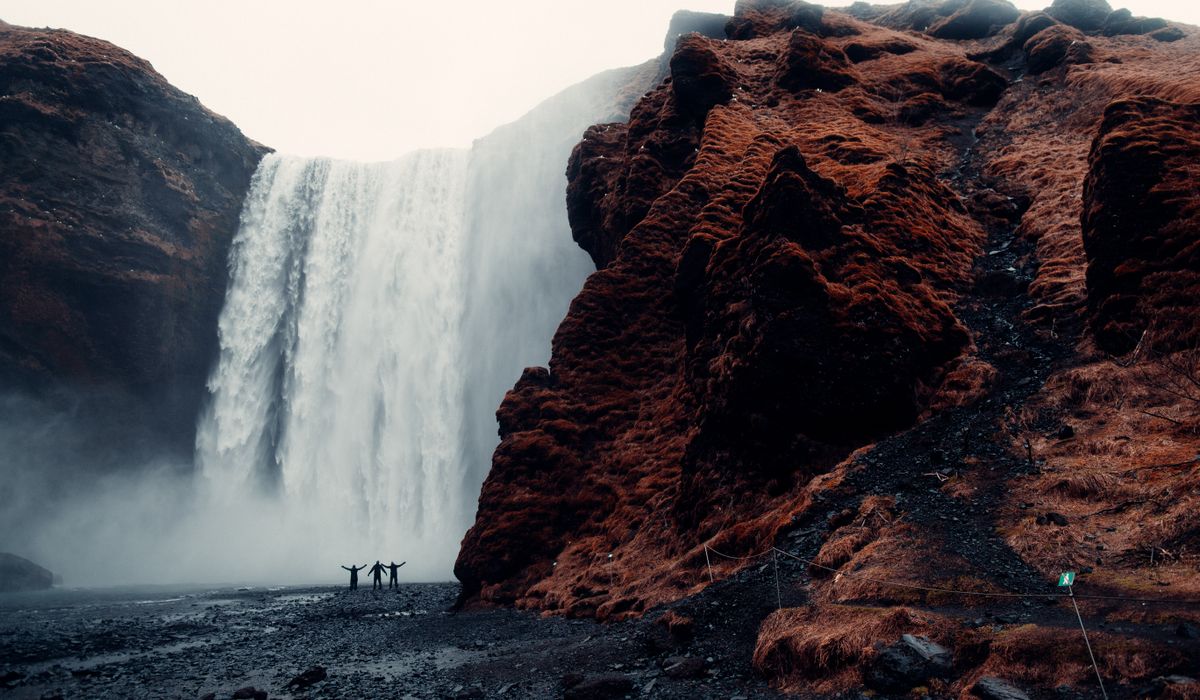
Autumn (Oct–Nov) is peak
October and November are Nepal’s golden window: the monsoon has scrubbed the air clean, skies are crystal-clear, and the Himalayas stand out sharp from Kathmandu to Pokhara. It is peak trekking season and the single best time to visit Nepal — book lodges and flights early.
Spring (Mar–Apr) for blooms
Spring is the second-best season, with warm days, blooming rhododendron forests on the trekking trails and good, if slightly hazier, mountain views. It is ideal for the Annapurna and Everest treks before the summer heat builds.
Monsoon (Jun–Sep)
The monsoon brings heavy rain, leeches on the trails and cloud-hidden peaks. Mountain views are unreliable and many flights are delayed, though the rain-shadow regions of Upper Mustang stay dry and green.
Winter (Dec–Feb)
Winter is cold in the hills and snowy at altitude, but the Kathmandu Valley, Chitwan and Pokhara stay pleasant by day. Lower treks and wildlife safaris work well, and crowds and prices both drop.
Ready to plan your Nepal trip?
Turn this guide into a real itinerary — a LokaTours expert tailors it to your dates, budget and style within 24 hours.
Plan my Nepal tripFrequently asked questions
Autumn (Oct–Nov) is peak — what should I know?
October and November are Nepal’s golden window: the monsoon has scrubbed the air clean, skies are crystal-clear, and the Himalayas stand out sharp from Kathmandu to Pokhara. It is peak trekking season and the single best time to visit Nepal — book lodges and flights early.
Spring (Mar–Apr) for blooms — what should I know?
Spring is the second-best season, with warm days, blooming rhododendron forests on the trekking trails and good, if slightly hazier, mountain views. It is ideal for the Annapurna and Everest treks before the summer heat builds.
Monsoon (Jun–Sep) — what should I know?
The monsoon brings heavy rain, leeches on the trails and cloud-hidden peaks. Mountain views are unreliable and many flights are delayed, though the rain-shadow regions of Upper Mustang stay dry and green.
Winter (Dec–Feb) — what should I know?
Winter is cold in the hills and snowy at altitude, but the Kathmandu Valley, Chitwan and Pokhara stay pleasant by day. Lower treks and wildlife safaris work well, and crowds and prices both drop.